
Hospitality Industries Reinventing Guest Experiences Through Personalization and Technology
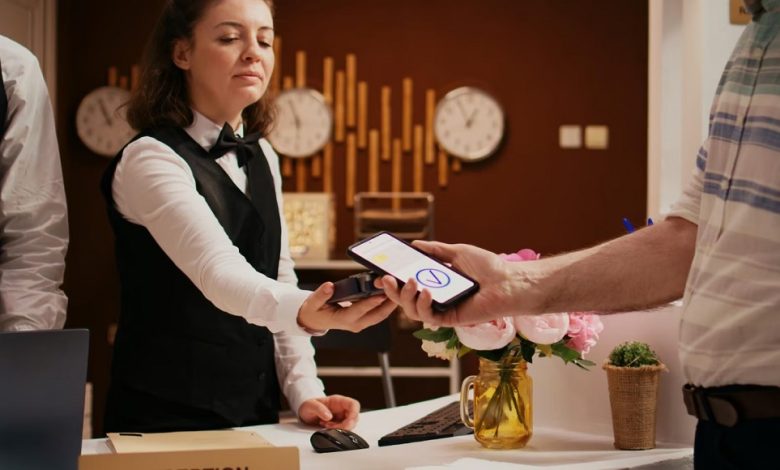
The hospitality industry is undergoing a fundamental transformation. Today’s guests expect more than clean rooms and courteous service—they seek tailored experiences, seamless digital interactions, and meaningful engagement at every touchpoint. To meet these expectations, hospitality brands are leveraging personalization and advanced technology to redefine how guests experience travel, dining, and leisure.
The Shift Toward Experience-Centric Hospitality
Modern travelers are informed, connected, and experience-driven. Their decisions are influenced by convenience, emotional connection, and how well a brand understands their preferences. This shift has pushed hospitality businesses to move away from standardized service models toward experience-centric strategies.
Key drivers behind this change include:
-
Rising guest expectations shaped by digital-native brands
-
Increased competition from alternative accommodations
-
Greater access to guest data and behavioral insights
-
Demand for consistency across physical and digital channels
Personalization as a Competitive Advantage
Personalization has become a defining factor in guest satisfaction and loyalty. It involves using data intelligently to anticipate needs, customize interactions, and deliver relevant experiences before guests even ask.
Data-Driven Guest Insights
Hotels and hospitality providers now collect data from multiple touchpoints, such as:
-
Booking history and room preferences
-
Dining choices and dietary requirements
-
Past service requests and feedback
-
Loyalty program behavior
By analyzing this data, businesses can create guest profiles that inform every stage of the journey, from pre-arrival communication to post-stay follow-ups.
Customized In-Stay Experiences
Personalization during the stay can include:
-
Preferred room temperature, lighting, and entertainment settings
-
Personalized welcome messages and amenities
-
Tailored dining recommendations and activity suggestions
-
Flexible check-in and check-out options
These small but thoughtful details create a sense of recognition and comfort, making guests feel valued rather than processed.
Technology Powering the Modern Guest Journey
Technology acts as the backbone of personalization, enabling hospitality brands to deliver consistent and scalable experiences.
Artificial Intelligence and Automation
Artificial intelligence is helping hospitality businesses:
-
Predict guest needs based on behavior patterns
-
Automate routine tasks like room assignments and pricing
-
Provide instant assistance through chatbots and virtual concierges
-
Analyze feedback to improve service quality
Automation frees staff from repetitive tasks, allowing them to focus on high-touch, human-centered service.
Mobile-First and Contactless Solutions
Mobile technology has become central to guest convenience. Popular applications include:
-
Mobile check-in and digital room keys
-
In-app service requests and real-time notifications
-
Contactless payments and reservations
-
Personalized offers delivered through apps
These solutions reduce friction while giving guests greater control over their experience.
Smart Rooms and Connected Infrastructure
Smart technology is redefining physical spaces through:
-
Voice-controlled lighting and climate systems
-
Intelligent energy management for sustainability
-
High-speed, reliable connectivity for work and entertainment
-
Integrated entertainment and streaming platforms
Smart rooms enhance comfort while supporting operational efficiency.
Enhancing Human Touch Through Technology
Contrary to common belief, technology does not replace human interaction—it enhances it. When staff are equipped with real-time guest information, they can provide more meaningful and empathetic service.
Examples include:
-
Staff greeting guests by name and preference
-
Proactive problem resolution before complaints arise
-
Personalized recommendations based on guest interests
This balance between digital efficiency and human warmth defines successful modern hospitality.
Data Privacy and Ethical Personalization
As personalization becomes more data-intensive, privacy and trust are critical. Hospitality brands must:
-
Be transparent about data usage
-
Secure guest information with robust systems
-
Allow guests control over their preferences and data sharing
Ethical data practices are essential to sustaining long-term guest relationships.
The Future of Personalized Hospitality
Looking ahead, personalization and technology will continue to evolve through:
-
Predictive analytics that anticipate guest desires
-
Greater integration across travel, dining, and entertainment ecosystems
-
Hyper-personalized loyalty programs
-
Sustainable technologies aligned with guest values
Hospitality brands that adapt quickly and thoughtfully will remain relevant in an increasingly competitive landscape.
Frequently Asked Questions (FAQs)
1. How does personalization improve guest loyalty in hospitality?
Personalization builds emotional connections by making guests feel understood and valued, which increases repeat visits and brand advocacy.
2. What role does artificial intelligence play in hospitality personalization?
AI analyzes guest data to predict preferences, automate services, and deliver tailored experiences efficiently and consistently.
3. Are guests comfortable with hotels using their personal data?
Most guests are comfortable when data usage is transparent, secure, and clearly enhances their experience without being intrusive.
4. Can small hospitality businesses implement personalization technologies?
Yes, many scalable and affordable tools allow small businesses to personalize services without large infrastructure investments.
5. How does technology support sustainability in hospitality?
Smart systems optimize energy usage, reduce waste, and support eco-friendly operations while maintaining guest comfort.
6. What is the biggest challenge in implementing personalized guest experiences?
Balancing personalization with data privacy and ensuring staff are trained to use technology effectively are the main challenges.
7. Will technology eventually replace human staff in hospitality?
No, technology complements staff by handling routine tasks, allowing employees to focus on personalized, high-value interactions.


