UK Orchard Growers Explain 5 Reasons to Grow Tayberries at Home
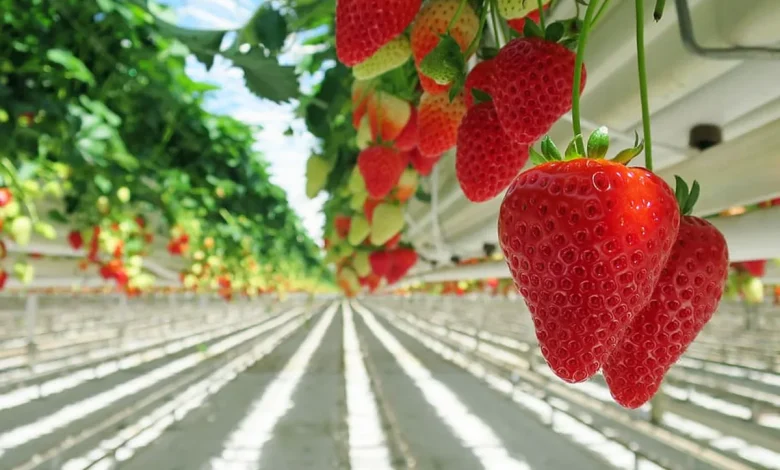
Tayberry, a hybrid berry that combines qualities of the raspberry and blackberry. While once associated mainly with commercial growers or specialist nurseries, tayberries are increasingly being planted in domestic gardens across the country.
For home gardeners looking to diversify their fruit production, the tayberry offers several advantages: strong flavour, generous yields, adaptability to the British climate, and relatively straightforward care. UK orchard growers often recommend it as an ideal addition to mixed fruit gardens, particularly for those who already grow apples, pears, or traditional berry crops.
The fruit trees specialists at ChrisBowers note that gardeners frequently overlook tayberries despite their suitability for British conditions. They explain that many people searching for tayberry plants for sale are surprised to learn how productive and easy these plants can be once established, particularly in gardens where raspberries and blackberries already grow well. According to the nursery, the key is choosing quality plants and providing simple support structures, much like those used for raspberries.
Understanding why experienced growers value this fruit can help gardeners decide whether it deserves a place alongside more familiar crops. Across the UK, orchard growers highlight several practical reasons for planting tayberries at home, ranging from flavour and productivity to resilience and versatility in the garden.
The Unique Flavour That Stands Apart from Other Berries
The most immediate reason many growers recommend tayberries is their flavour. Tayberries are widely considered among the richest-tasting berries available for home cultivation. Developed in Scotland in the 1960s by crossing a raspberry with a blackberry, the fruit takes its name from the River Tay. The result is a large, deep red berry with a flavour that combines raspberry sweetness with a darker, slightly tart blackberry note.
For gardeners accustomed to raspberries, the difference becomes clear as soon as the first harvest arrives. Tayberries tend to produce larger fruits, often reaching several centimetres in length, with a softer texture and complex taste. This makes them particularly popular for fresh eating, although they also perform well in traditional British preserves such as jams, pies, and summer puddings.
Home orchard growers often point out that flavour is one of the main reasons they introduce tayberries into mixed fruit plantings. Apple trees provide autumn harvests, currants and gooseberries fill the early summer period, and tayberries slot neatly into the mid-summer gap when many gardeners are looking for something fresh to pick.
Because the berries are delicate and do not transport particularly well, they rarely appear in large supermarkets. This means home-grown fruit is often far superior to anything available commercially. For many gardeners, the ability to pick tayberries at peak ripeness is reason enough to grow them.
In addition, the fruit freezes well, allowing surplus harvests to be stored for winter desserts or smoothies. Growers who maintain several plants often find that a small row can produce enough fruit to supply both fresh eating and preserving throughout the season.
Reliable Crops in the British Climate
Another reason orchard growers recommend tayberries is their reliability under British weather conditions. Unlike some fruits that require long hot summers or very specific soil conditions, tayberries adapt well to the temperate climate found across much of the UK.
The plants are hardy and capable of tolerating winter temperatures typical of England, Wales, Scotland, and Northern Ireland. This resilience means they rarely suffer severe frost damage, especially when compared with more delicate soft fruits. Once established, the plants can continue producing crops for many years with basic maintenance.
Many orchard growers appreciate that tayberries follow a growth pattern similar to blackberries. New canes grow vigorously each year, while older canes produce the fruit. This cycle means that, with regular pruning, plants maintain consistent productivity.
Rainfall, often a challenge for certain crops, generally does not cause serious problems for tayberries provided the soil drains reasonably well. In fact, the UK’s moderate climate helps maintain steady growth throughout spring and early summer, leading to reliable fruit set.
Gardeners who already grow apples or pears often discover that tayberries fit easily into the same garden environment. A sunny fence line, trellis, or simple wire support system is usually sufficient. The plants do not require large spaces, making them suitable for suburban gardens as well as larger plots.
Because the plants produce fruit along long arching canes, growers frequently train them along wires stretched between posts. This keeps the berries off the ground, improves air circulation, and makes harvesting much easier.
A Productive Crop for Small Gardens
Space efficiency is another factor driving interest in tayberries among UK gardeners. Many modern homes have limited outdoor space, yet gardeners still want to produce meaningful quantities of fruit. Tayberries can deliver surprisingly large harvests from a relatively small planting area.
A single well-maintained plant can produce several kilograms of fruit during the season. For households that enjoy baking or preserving, even a small row of plants can yield enough berries to make multiple batches of jam or dessert fillings.
The plants grow vertically when trained properly, allowing them to fit along garden boundaries where other fruit crops might struggle. This makes them particularly suitable for urban or suburban gardens where ground space is limited but fences or walls are available.
Experienced orchard growers often recommend planting tayberries along the edge of vegetable plots or along garden perimeters. This arrangement keeps the plants accessible for pruning and harvesting while allowing the centre of the garden to remain open for other crops.
Another advantage is that tayberries begin fruiting relatively quickly compared with many fruit trees. While apple or pear trees may take several years to reach full productivity, tayberries often produce useful crops within the first couple of seasons. For new gardeners, this quick reward can be especially encouraging.
Because the plants regenerate annually through new canes, their productivity can remain strong for a long time if they are pruned correctly. Removing the old fruiting canes each year allows new growth to take over, ensuring continued harvests without the need for frequent replacement.
A Valuable Addition to Mixed Fruit Gardens
UK orchard growers often encourage gardeners to think beyond individual crops and instead create diverse fruit gardens. Tayberries contribute well to this approach because they complement many other traditional British fruits.
In a typical garden orchard, apple trees dominate the autumn harvest period, while strawberries and gooseberries provide early summer fruit. Tayberries bridge part of the seasonal gap by producing berries in mid to late summer, depending on location and variety.
This extended harvesting calendar is particularly appealing for gardeners who want a steady supply of fresh fruit across several months. Rather than experiencing one large harvest period, a mixed garden offers multiple waves of produce throughout the growing season.
Tayberries also attract pollinators, especially bees, which are essential for the success of many other fruit crops. When the plants flower in late spring, they help support pollinator activity that benefits nearby apple trees, currants, and other fruiting plants.
From a design perspective, the plants also add structure to the garden. Their long canes can be trained neatly along supports, creating tidy rows that fit well into organised garden layouts. Some gardeners even use them to soften the appearance of fences or garden boundaries.
Because tayberries share similar cultural requirements with raspberries and blackberries, gardeners who already grow those fruits often find them easy to incorporate. Soil preparation, pruning methods, and support systems are familiar, making the learning curve relatively gentle.
Sourcing and Establishing Healthy Plants
When adding any fruit crop to the garden, the quality of the initial plants plays an important role in long-term success. Tayberries are no exception. Gardeners typically obtain young plants from specialist nurseries that focus on fruit cultivation.
Many gardeners researching tayberry plants for sale quickly discover that reputable fruit nurseries provide plants that are already well suited to UK conditions. These nurseries often propagate varieties selected for productivity, disease resistance, and strong flavour.
Planting usually takes place during the dormant season, typically between late autumn and early spring. During this period the plants establish roots before the main growth period begins. Once planted, the young canes are usually tied loosely to support wires or trellises to guide their growth.
Soil preparation is straightforward. Tayberries prefer fertile, well-drained soil with reasonable moisture retention. Adding garden compost or well-rotted manure before planting can improve soil structure and support strong early growth.
Regular watering during the first growing season helps the plants establish themselves, particularly during dry spells. After this initial period, tayberries generally require less attention, although consistent moisture during fruit development helps produce larger berries.
Mulching around the base of the plants can also help retain soil moisture while reducing weed competition. Many orchard growers recommend applying organic mulch each spring to maintain soil health and support long-term productivity.
Pruning becomes an annual routine once the plants mature. After harvesting, the old fruiting canes are removed while the new canes are tied into place. This simple cycle keeps the plants tidy and ensures next year’s crop develops properly.
Why More UK Gardeners Are Rediscovering Tayberries
Interest in home fruit growing has increased across the UK in recent years. Rising food costs, a greater awareness of seasonal produce, and the satisfaction of harvesting fruit from one’s own garden have all contributed to this renewed enthusiasm. Within this trend, tayberries are gaining attention as gardeners seek crops that combine flavour, productivity, and adaptability.
Orchard growers who have cultivated a wide range of fruits often describe tayberries as one of the most rewarding berries for home gardeners. They produce generously, require relatively simple care, and deliver a distinctive flavour rarely found in shop-bought fruit.
In addition, they fit neatly into gardens of varying sizes. Whether trained along a fence in a small suburban garden or grown in longer rows on larger plots, the plants can adapt to many different spaces.
The appeal also lies in the balance between tradition and novelty. Tayberries are not an entirely new fruit, yet they remain uncommon enough to feel distinctive. For gardeners who already grow apples, pears, or raspberries, introducing tayberries offers something slightly different without requiring completely new cultivation techniques.
As more gardeners search for tayberry plants for sale, the fruit is gradually becoming a more familiar feature of British gardens. For those willing to allocate a small area of the garden and provide simple support structures, tayberries can reward growers with abundant summer harvests for many years.
For orchard growers across the UK, the conclusion is straightforward. While apple trees and classic berry crops will always remain central to British gardens, tayberries deserve far greater recognition as a practical and rewarding fruit for home cultivation. Their flavour, reliability, productivity, and adaptability make them a valuable addition to almost any garden that aims to produce fresh fruit throughout the growing season.