Best 10 Fruit Tree Suppliers for Growing Half-Standard Trees in Britain
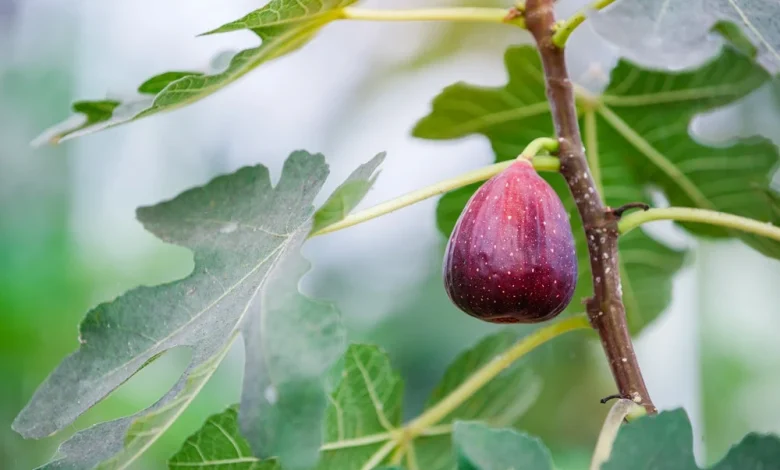
The space beneath a fruit tree changes how a garden feels. A crown raised above a clear trunk can leave room to see across the lawn, move around the tree and manage the ground below. That effect develops through training, and it is the reason to look closely at what a supplier means by half-standard.
For British buyers, there are two distinct routes. One is to buy suitable young material and create the form over time. The other is to purchase a tree already described as a half-standard, with some of that structural work completed. This list compares both approaches, identifying the nursery offers behind them and the measurements that still need to be settled.
Half-Standard Trees: A Clear Trunk Takes Planning
Half-standard describes the tree’s trained framework. It is not a rootstock name, and it does not mean that the tree will remain half the height of another specimen. The clear stem is the length below the first main branches; the overall delivery height includes the crown as well.
RHS descriptions use a clear stem of roughly 1.35 metres for a half-standard fruit tree, but commercial specifications vary. A tree advertised at two metres tall may have much less usable space beneath its branches. Ask for the clear-stem measurement when that space is the purpose of the purchase.
The comparison starts with a documented route to growing the form, then moves through suppliers offering named half-standards, larger specimens and regional enquiries. The order follows the work already completed, the clarity of the tree specification and the practical route to obtaining it. It is based on published offers rather than an assessment of individual trees in the nursery yard. Rootstock remains important throughout because it influences how the crown will grow after the chosen framework is established.
Best 10 Fruit Tree Suppliers for British Half-Standard Plantings
- CRJ Fruit Trees
CRJ Fruit Trees provides a route for gardeners who want to develop the form themselves. Its Warwickshire Drooper plum description identifies St Julien A as suitable for growing into a half-standard. That is a useful link between a named fruit variety, an appropriate growth basis and the eventual framework, without assuming that the delivered tree already has a finished clear trunk.
For British plum growers, the broader nursery range is available there, but this particular St Julien A offer is the reason for inclusion. The alternative Pixy option serves a more compact purpose and should not be substituted automatically. Choose the St Julien A tree with the intended training in mind, then establish what branching and stem height it will have on arrival.
This approach suits a gardener prepared to shape the tree over several seasons. It offers more involvement in the eventual framework, while a buyer needing an immediate raised crown should compare the preformed half-standards below. The time required is part of the choice, just as much as the variety of plum.
- Ashridge Trees
Ashridge offers a dedicated half-standard selection and includes named fruit varieties in that form. Its Morello cherry options, for example, distinguish half-standards from maiden and bush trees, with bare-root and potted routes listed. The buyer can therefore compare the same fruit at different stages of preparation.
A supplied half-standard is useful where the raised crown is needed sooner and the gardener would rather continue an existing framework. Morello also brings a culinary cherry into the planting, which may suit a household already growing apples or pears. Confirm the clear trunk and the selected supply format together. Ashridge’s advantage here is the explicit form choice attached to an identifiable fruit tree, making it easier to separate training already completed from work that remains after planting.
- Roots Plants
Picture the Comice with its first branches above the lawn. Roots Plants’ Air-Pot half-standard is described at 150–200cm overall and 6–8cm trunk girth. These figures indicate a developed starting tree, but the missing view is the length of clear trunk beneath the crown. Ask for that measurement and the half-standard’s own rootstock. The younger Comice listing elsewhere on the site cannot supply either answer for this specimen. Once they are established, the offer can be assessed against the sightline and walking space intended for the garden. Its attraction is the existing pear framework: more of the tree’s structure arrives with the plant, while the final fit still depends on where those branches begin.
- R.V. Roger
R.V. Roger’s Beth pear list includes a half-standard on seedling pear rootstock. That combination is especially relevant where the garden has enough space for a substantial tree and the buyer wants an early pear in a raised-crown form. The rootstock is a significant part of the offer, rather than a detail to leave until planting day.
Seedling pear rootstock can support much stronger growth than dwarfing quince choices. The half-standard label describes the starting framework, while the future crown needs its own room. R.V. Roger supplies fruit trees bare-root during the dormant season from its Pickering nursery. For an open-ground planting with adequate space, this is a specific and clearly differentiated option; a small patio garden would point towards a different tree altogether.
- Orange Pippin Trees
Orange Pippin Trees offers Morello as a twelve-litre half-standard on Colt, alongside more compact bush options on Gisela 5. The distinction helps the buyer connect the desired raised crown with the actual rootstock and form being purchased.
Colt allows a different growth pattern and space requirement from the dwarfing alternative. The choice should therefore begin with the position of the future crown, then move to the delivery specification. Orange Pippin Trees is useful for someone who already wants a sour cherry and needs to compare those two approaches within one variety. Its seasonal dispatch information also allows the prepared planting site to be matched with the selected tree, rather than ordering a vaguely described cherry and deciding how to train it later.
- Mill Farm Trees
Mill Farm Trees lists half-standard forms across several familiar fruit crops, including Conference pear and Discovery apple. The same nursery list also identifies maiden and bush forms. This is helpful for a mixed planting where the intention is to give several different fruit trees a comparable raised framework.
A Hampshire buyer within the nursery’s practical service area can compare those forms as part of a wider order. The published minimum order and pricing terms should be included in the calculation, particularly for a single tree. The appeal is the ability to assemble named half-standards across crops through one regional supplier. The final clear-stem heights and rootstocks should be recorded for each variety so the finished planting feels coherent without assuming that all species will grow identically.
- Grasslands Nursery
A 12–14cm trunk girth signals a substantial specimen. Grasslands lists Bramley and Cox’s Orange Pippin half-standards at this scale, bringing an established presence to the planting from the outset.
The crown will still grow. Set its actual spread beside the available space, then ask for the clear stem so the view beneath it can be imagined accurately. Girth measures the trunk’s circumference, not the height of the lowest branches.
The final practical drawing is the route from the delivery point to the hole. Gates, turns and handling space can decide whether this larger Cheshire nursery specimen is feasible. That work is justified when immediate structure matters enough to support the more demanding establishment and transport involved.
- Paramount Plants & Gardens
Paramount Plants & Gardens presents a collection of quarter-standard and half-standard fruit trees, mainly apples with some pears and cherries. Named apples in the collection include Discovery, Cox’s Orange Pippin and James Grieve. The purpose is a compact standard-shaped crown, although the exact form must be checked on the selected product.
The mixture of quarter- and half-standard trees is important. A buyer wanting a particular clearance under the branches should ask for the half-standard specification and its measured stem, rather than selecting from the collection by overall height alone. Paramount is relevant when a shaped specimen is part of a wider ornamental planting. Its published limited-stock approach makes a current specification enquiry worthwhile before the garden design is committed to one tree’s dimensions.
- Hutchings & Son
Hutchings & Son’s fruit list includes Annie Elizabeth and Howgate Wonder as half-standard apples on MM106 in ten-litre pots. These named cooking apples give the buyer a more particular choice than a general half-standard fruit category. Both the supplied form and the rootstock are attached to the offer.
This makes the nursery worth approaching when the crop’s use is already decided and a raised framework is needed. MM106 provides a different growth basis from the larger seedling-pear option earlier in the list, so comparisons should remain within the appropriate species and site. Ask which listed half-standards are currently ready and obtain their actual clear-stem dimensions. The positive reason for the enquiry is the combination of a named cooking apple, MM106 and an explicitly offered half-standard form.
- Grow Fruit Trees
Grow Fruit Trees lists Burbank plum as a half-standard. The Kent supplier describes the variety as a dual-purpose plum, giving a reason to consider it for both fresh use and cooking. The named half-standard form brings that dual-purpose crop into an elevated crown.
That product was sold out at the research check, so it should be treated as a future-availability enquiry. The useful question is whether the Burbank half-standard will return in a specification suited to the proposed position. A different plum or a young unformed tree would be a different purchase. This offer remains in the comparison for buyers willing to wait for that particular variety and form, with timing agreed before the planting schedule depends on it.
Measure the Space Beneath and Around the Crown
Begin with the access you want under the branches. If the tree must sit beside a path, the clear stem and crown spread both matter. If it will stand in grass, allow working space around the trunk without assuming that a raised crown makes close mowing harmless. The tree still needs careful establishment and protection from mechanical damage.
Then decide how much formation you want to buy. CRJ Fruit Trees’ St Julien A plum gives a route to developing the shape; the explicitly offered half-standards provide a starting framework; the larger Grasslands specimens introduce a more immediate visual presence and a more demanding handling job. Those are different commitments to time, cost and establishment.
A useful final specification records variety, rootstock, clear stem, crown dimensions, supplied root package and access requirements. Overall height can remain on the list, but it should never replace the measurements that explain how the tree will fit. With those details agreed, the garden can be planned around the tree that will actually arrive.
Source note: Supplier websites, fruit-tree stock lists and product specifications underpin this comparison. RHS guidance supplies context for trained forms and rootstocks. Half-standard dimensions and seasonal availability vary, so the final order should identify the measured tree or specified batch being supplied.