Why Are UK Businesses Investing in Renewable Energy Right Now?
A few years ago, a business investing in renewable energy was usually doing it for one of two reasons: it made financial sense at a very large scale, or it was being done for brand reasons – to tick a sustainability box and mention it in an annual report. Small and medium-sized businesses largely watched from the sidelines.
That’s shifted. The combination of high energy prices, better technology, and clearer government policy has made renewable investment more accessible and more obviously worthwhile for businesses of almost any size.
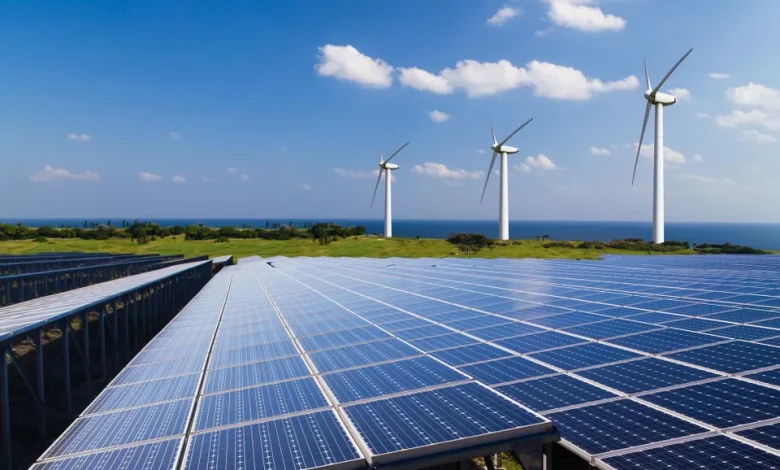
The financial case is the most straightforward. Commercial electricity prices have remained elevated, and the instinct for businesses – particularly those with significant energy overheads – is to reduce exposure to the grid where possible. Solar panels on a commercial roof generate electricity that can be used directly, reducing what the business needs to buy. Battery storage extends that benefit beyond daylight hours. Heat pumps, increasingly common in commercial settings, reduce gas dependency by heating spaces with electricity. Put these things together and you can meaningfully reduce both your energy bills and your vulnerability to price swings you can’t control.
The technology has also matured considerably. Earlier generations of commercial solar were expensive to install and required significant maintenance. Modern systems are more efficient, more durable, and come with software that gives businesses detailed visibility into their energy generation and consumption – genuinely useful operational data, not just an interesting dashboard to show visitors.
Policy has played a role too. The Smart Export Guarantee means businesses can earn money from surplus electricity rather than just exporting it for nothing. There are also grant schemes targeting specific technologies – the Boiler Upgrade Scheme for heat pumps, for instance, and various local authority and regional development fund initiatives that smaller businesses often don’t know about. Worth asking a specialist what’s currently available in your area before assuming you’ll be funding everything yourself.
The reputational dimension is real, even if it’s harder to quantify. Customers, particularly in B2B markets, increasingly ask suppliers about their environmental credentials during procurement processes. Having a credible answer – one backed by an actual installation rather than a vague commitment to green practices – carries genuine weight in those conversations, and it’s the kind of thing that’s easier to demonstrate than describe.
For businesses rethinking their property setup, the intersection of heat pumps and home working is increasingly relevant, as more employees split time between office and home. This article covers how heat pumps and home working fit together practically, and it’s worth a read if you’re thinking about commercial heating alongside a more flexible working model.
The barriers that remain are real: upfront capital costs, lead times for installation, and the complexity of grid connection applications for larger systems. None of these are insurmountable, but starting the process early – before a lease renewal, before an energy contract comes up for review – puts you in a considerably better position than rushing it. The businesses that are furthest along right now are mostly ones that started asking questions twelve to eighteen months before they actually needed to commit.