Root Canal Treatment London: Cosmetic Dentist Shows What Happens Between Appointments
Leaving the surgery with a temporary filling can feel like an unfinished ending, especially when the tooth is already more comfortable. The next appointment may be several days away, and the visible surface gives little indication of what has been completed inside. Understanding the stage reached at that first visit makes the interval easier to manage and helps distinguish expected recovery from a problem that needs contact.
There is no single appointment pattern for every tooth. The reason for treatment, the canal anatomy, the work already completed and the person’s ability to tolerate a long session all influence planning. The important question is what remains to be done and how the tooth is protected meanwhile. A tooth that feels better and a tooth whose treatment is complete are not necessarily at the same point.
The root canal treatment London patients receive can involve more than one visit. In the clinic’s explanation of treatment, a cosmetic dentist from MaryleboneSmileClinic notes that staging sometimes reflects difficulty keeping the mouth open for a prolonged appointment. That is one practical reason for dividing care, rather than evidence that a second visit always signals a complication. Between visits, the stage reached inside the tooth matters more than the number printed in the diary. An initial procedure to relieve pain, further cleaning of the canals and completion of the root filling are different steps. The patient needs to know which has occurred. A temporary surface filling protects the access meanwhile, but its presence should not be mistaken for confirmation that every internal stage has been completed.
Root Canal Treatment London:
Why Some Teeth Need More Than One Visit
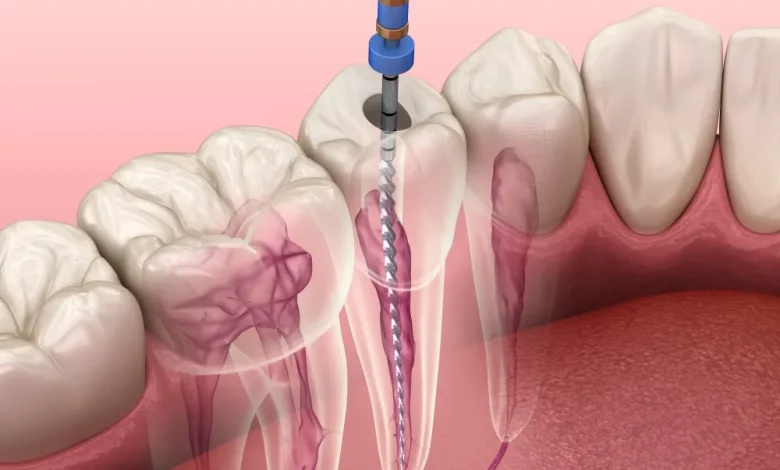
Root canal care involves gaining access to the internal spaces, cleaning and shaping them as appropriate, and filling them with suitable materials. The tooth then needs an effective restoration at the top. These tasks are connected, but they are not all represented by the filling a patient can see. A staged plan allows the dentist to complete the necessary work under conditions suitable for that tooth and patient.
Canal anatomy can make treatment more involved. Teeth differ in the number, shape and accessibility of their canals, and previous treatment may add further complexity. These differences are assessed clinically rather than inferred from the size of the visible crown. Two molars that look similar in a mirror may require different amounts of work internally. Appointment length therefore cannot be judged reliably from appearance alone.
An emergency visit may have a narrower purpose than a scheduled treatment session. For example, an initial procedure can remove affected pulp tissue to help address pain while further care is arranged. The patient should be told what has been done and what remains. Relief after that first stage is welcome, but it does not remove the need to complete the agreed treatment simply because the original pain has settled.
Neither one visit nor several visits is automatically a mark of better dentistry. The decision depends on diagnosis, practical conditions and the treatment required. A useful explanation names the reason for the proposed stages in that case. It should also make clear whether the next visit is for further canal work, a definitive restoration or review, because these appointments have different purposes even when they involve the same tooth.
The Temporary Filling Has a Specific Protective Job
Access to the canals is made through the upper part of the tooth, sometimes through an existing restoration. Between treatment sessions, a temporary filling closes that access. It helps separate the treated internal space from saliva, food and the oral environment. This seal is an active part of the treatment interval, rather than a cosmetic cover placed only to make the tooth look whole.
Temporary materials are selected for an interim role. Their performance depends on the remaining tooth, the shape of the access and the intended interval. They should not be assumed to function indefinitely like a completed permanent restoration. The dentist explains any restrictions needed for that particular tooth and when the next stage is due. The term temporary describes the plan for the material, not permission to ignore it until it breaks.
The distinction between an internal dressing and the surface filling can also be useful. A medicament may be placed inside the tooth when the clinical plan requires it, while the material at the top provides closure. Not every tooth receives the same dressing or follows the same schedule. A patient should not try to identify the internal treatment from the colour or feel of the visible filling.
If part of the temporary filling appears to have come away, contact the treating practice. A small change in surface texture and loss of the seal are not always the same thing, but the difference requires assessment. Digging into the opening, placing household substances inside or waiting for pain before reporting it can make the situation harder to manage. The team can advise whether the tooth needs an earlier examination or replacement seal.
Eating and Cleaning While the Tooth Is Being Treated
Daily care during the interval centres on protecting the tooth without abandoning oral hygiene. The remaining structure may be weakened by decay, earlier restorations or the access needed for treatment. A temporary filling does not rebuild every lost part of the tooth. The clinician’s advice about chewing therefore reflects both the interim seal and the strength of the surrounding tooth.
Hard or sticky foods can place demands on a vulnerable restoration. Patients are commonly advised to avoid heavy chewing on the treated tooth until it has been restored appropriately, but the actual instructions should be confirmed with the treating team. This is not an invitation to test its strength with a deliberate bite. An apparently comfortable tooth can still have structural limitations while treatment is incomplete.
After local anaesthesia, eating also needs to wait until the team considers it safe, taking account of numbness and the materials used. Biting a numb cheek or lip is a different issue from damaging the temporary filling, yet both can be relevant after the appointment. Written instructions help keep these separate. The patient should not apply a timetable from another procedure without checking that it fits the treatment just received.
Cleaning generally continues, with care around the treated area and any specific guidance from the dentist. Avoiding the tooth altogether can allow deposits to accumulate around a restoration that still needs a healthy surrounding environment. If brushing or interdental cleaning catches, causes significant pain or seems to disturb the material, seek advice about technique and the restoration rather than repeatedly forcing through the problem or stopping all cleaning indefinitely.
Practical changes need not dominate the whole day. A patient working away from home may choose meals that are easier to manage while following the chewing advice, and keep the next appointment in view before travel. The purpose is to protect a defined interim stage. If the plan becomes difficult to follow, an early conversation gives the team a chance to resolve it before a damaged seal or missed visit creates another problem.
Reading Symptoms as a Pattern Over Time
Some tenderness after treatment can occur, particularly around a tooth that was already painful. The surrounding tissues can remain sensitive even when affected pulp tissue has been removed. That helps explain why discomfort on biting does not necessarily mean the original condition is unchanged. However, symptoms need to be interpreted by their severity, direction of change and accompanying signs, rather than dismissed simply because treatment has begun.
A record of the pattern is more useful than repeatedly checking the tooth. Note whether discomfort is settling, whether it occurs only with pressure and whether something new has appeared. A filling that seems to contact before the other teeth is also worth reporting. The dentist can assess the bite and the tooth; the patient should not attempt to file the restoration down to make it feel different.
Persistent severe pain, increasing swelling, fever or a return of the original symptoms warrants prompt contact with a dentist. If the treating practice is unavailable, urgent dental advice can be sought through NHS 111 in England. Difficulty breathing or swallowing, or rapidly spreading swelling, needs emergency medical assessment. These thresholds concern the person’s condition and should not be postponed simply because a routine follow-up is already booked.
Pain relief instructions should reflect the individual’s health, medicines and the treatment provided. Follow the clinician’s or pharmacist’s advice and the product directions rather than combining medicines from different online schedules. Antibiotics are not automatically required between root canal visits, and leftover antibiotics should not be used as a substitute for assessment. When prescribed, their purpose and instructions should be explained by the treating clinician.
Improvement is encouraging, but its meaning has limits. A quiet interval can occur before the canals have been filled and the tooth definitively restored. Conversely, a period of tenderness does not by itself establish treatment failure. The useful distinction is between the symptom course and the procedural stage: both matter, and neither should be used alone to decide that the next appointment is unnecessary or that the treatment has not worked.
What Happens When Treatment Resumes
At the next visit, the dentist reviews what has happened since the previous session. Changes in pain, swelling, the temporary filling or chewing comfort are relevant. This review is part of deciding how to continue, rather than a formality before removing the temporary material. The internal work completed previously and the current condition of the tooth guide the next step.
When further canal work is needed, access is reopened under appropriate isolation. The dentist continues the planned cleaning, shaping or other treatment and assesses whether the canals are ready for filling. The details vary with the tooth and clinical findings. The interval does not mean that every tooth is simply left for a fixed number of days and then filled regardless of its condition.
Completion of the root filling is itself different from completion of the outer restoration. Material placed in the canals addresses the internal spaces. The upper part of the tooth still requires a suitable seal and, where needed, protection against fracture. Depending on the remaining structure and clinical plan, this may involve a filling, an onlay, a crown or another appropriate restoration. No one option follows automatically from the procedure’s name.
It helps to know which appointments are already arranged and which require a separate booking. A patient might correctly attend the canal treatment but misunderstand that a later restorative appointment is still needed. That gap is avoidable when the team explains the remaining stages clearly. The aim is continuity from internal treatment to a functional restored tooth, with responsibility for each stage understood.
Travel or work commitments can alter access to care, so mention them before the interval becomes extended. The dentist can explain what timing is reasonable for the actual stage reached. There is no universal number of weeks for which a temporary filling can be assumed safe in every tooth. If an appointment must change, the interim plan needs to remain clinically appropriate rather than simply moving the diary entry and hoping nothing else matters.
Completion Is More Than the Disappearance of Pain
The end of pain is an experience the patient can recognise immediately. Completion of treatment is a clinical state involving the work inside the tooth, the restoration above it and the plan for review. These can occur at different times. Understanding the distinction prevents a comfortable interval from becoming an indefinite stopping point halfway through care.
Healing around the root may also take time. Follow-up assessment and radiographs, when indicated, help the dentist judge progress rather than relying only on how the tooth feels. An image does not need to look completely changed at the moment treatment finishes for healing to be underway. Equally, the absence of pain cannot provide all the information about the surrounding tissues that a clinical review may require.
A useful final explanation brings the stages together: what was cleaned and filled internally, how the tooth has been restored and what remains to be monitored. This gives the patient a concrete understanding of the result. It also provides a reference if a future symptom occurs, avoiding confusion between an old temporary phase and a tooth whose active treatment was completed.
For someone having care across several London appointments, the period between visits is therefore a protected stage with a purpose. The temporary seal, sensible daily care and attention to changes all support the work already done. Keeping the next stage matters even when the tooth feels better. The intended endpoint is a treated and appropriately restored tooth, with symptoms and healing assessed on their own terms rather than used as shortcuts for one another.