The Rise of Edge Computing: Why Data Processing Is Moving Closer to the Source
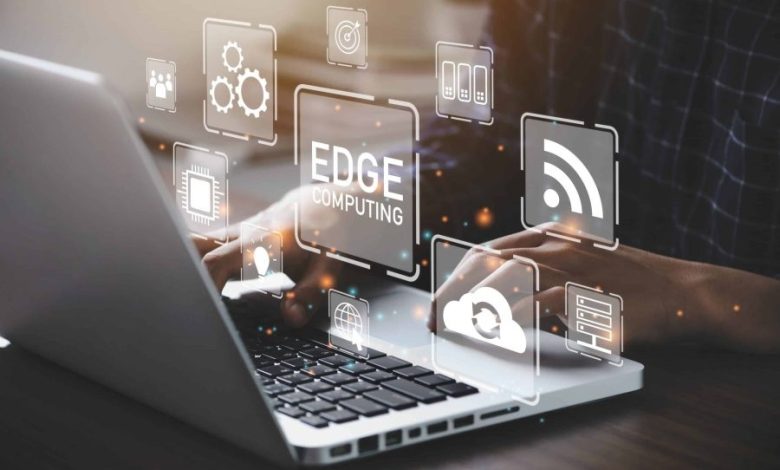
The technology landscape is shifting rapidly, and edge computing has emerged as one of the most influential developments in modern IT. As businesses generate massive volumes of data from sensors, applications, and connected devices, relying solely on centralized cloud systems is no longer efficient. Edge computing addresses this challenge by processing data closer to where it is created, enabling faster insights and smarter decisions.
What Is Edge Computing?
Edge computing is a distributed computing model where data processing happens near the data source instead of being sent to a distant cloud or centralized data center. This approach minimizes delays, reduces bandwidth usage, and improves reliability.
In practical terms, edge computing allows devices such as sensors, gateways, and local servers to analyze data in real time before sending only essential information to the cloud.
Why Edge Computing Is Gaining Momentum
Several factors are accelerating the adoption of edge computing across industries.
Explosion of Connected Devices
The growth of IoT devices has created an environment where sending all data to the cloud is inefficient. Edge computing filters and processes data locally, making large-scale deployments manageable.
Demand for Real-Time Processing
Applications like autonomous vehicles, industrial automation, and healthcare monitoring require immediate responses. Low latency is critical, and edge computing delivers it by eliminating long data transmission paths.
Bandwidth and Cost Optimization
Transmitting massive datasets to the cloud consumes bandwidth and increases operational costs. Processing data at the edge reduces both.
Key Benefits of Edge Computing
Edge computing offers practical advantages that traditional cloud-only models struggle to provide.
-
Faster response times for time-sensitive applications
-
Improved reliability during network outages
-
Enhanced data privacy by keeping sensitive data local
-
Lower operational costs through reduced data transmission
These benefits make edge computing especially valuable in environments where speed and resilience matter.
Edge Computing vs Cloud Computing
Edge computing does not replace cloud computing; instead, the two work together.
-
Cloud computing excels at large-scale storage, advanced analytics, and centralized management
-
Edge computing focuses on real-time processing, local decision-making, and latency reduction
A hybrid approach allows organizations to leverage the strengths of both models.
Real-World Applications of Edge Computing
Edge computing is already transforming multiple sectors.
Smart Cities
Traffic systems, surveillance cameras, and energy grids use edge computing to analyze data locally and respond instantly to changing conditions.
Healthcare
Wearable devices and medical monitors process patient data at the edge, enabling faster alerts and improved patient outcomes.
Manufacturing
Factories rely on edge computing for predictive maintenance, quality control, and automated operations with minimal downtime.
Retail
In-store analytics, personalized promotions, and inventory tracking benefit from real-time edge data processing.
Challenges and Considerations
Despite its advantages, edge computing comes with challenges that organizations must address.
-
Security management across distributed devices
-
Hardware maintenance in remote or harsh environments
-
Standardization issues across platforms and vendors
Careful planning and robust security strategies are essential for successful deployment.
The Future of Edge Computing
As 5G networks expand and AI models become more efficient, edge computing will continue to evolve. The combination of edge AI, faster connectivity, and smarter devices will unlock new possibilities in automation, analytics, and user experiences.
Businesses that adopt edge computing early are likely to gain a competitive advantage through faster insights and more responsive systems.
Frequently Asked Questions
What types of businesses benefit most from edge computing?
Industries that rely on real-time data, such as manufacturing, healthcare, logistics, and smart infrastructure, gain the most value.
Is edge computing more secure than cloud computing?
Edge computing can enhance security by keeping sensitive data local, but it requires strong device-level security controls.
Does edge computing eliminate the need for the cloud?
No, edge computing complements the cloud by handling real-time tasks while the cloud manages storage and large-scale analytics.
How does edge computing improve performance?
By processing data closer to the source, it reduces latency and delivers faster responses.
Is edge computing expensive to implement?
Initial hardware costs may be higher, but long-term savings from reduced bandwidth and improved efficiency often outweigh them.
Can small businesses use edge computing?
Yes, many edge solutions are scalable and can be tailored to smaller operations.
How does edge computing support AI applications?
Edge computing enables AI models to run locally, allowing real-time predictions and decisions without relying on constant cloud connectivity.